DIY Homeowners: Stop Treating Them Like They’re Idiots (If You Want the Job)
Let’s talk about a special species in the remodeling ecosystem:
The DIY homeowner.
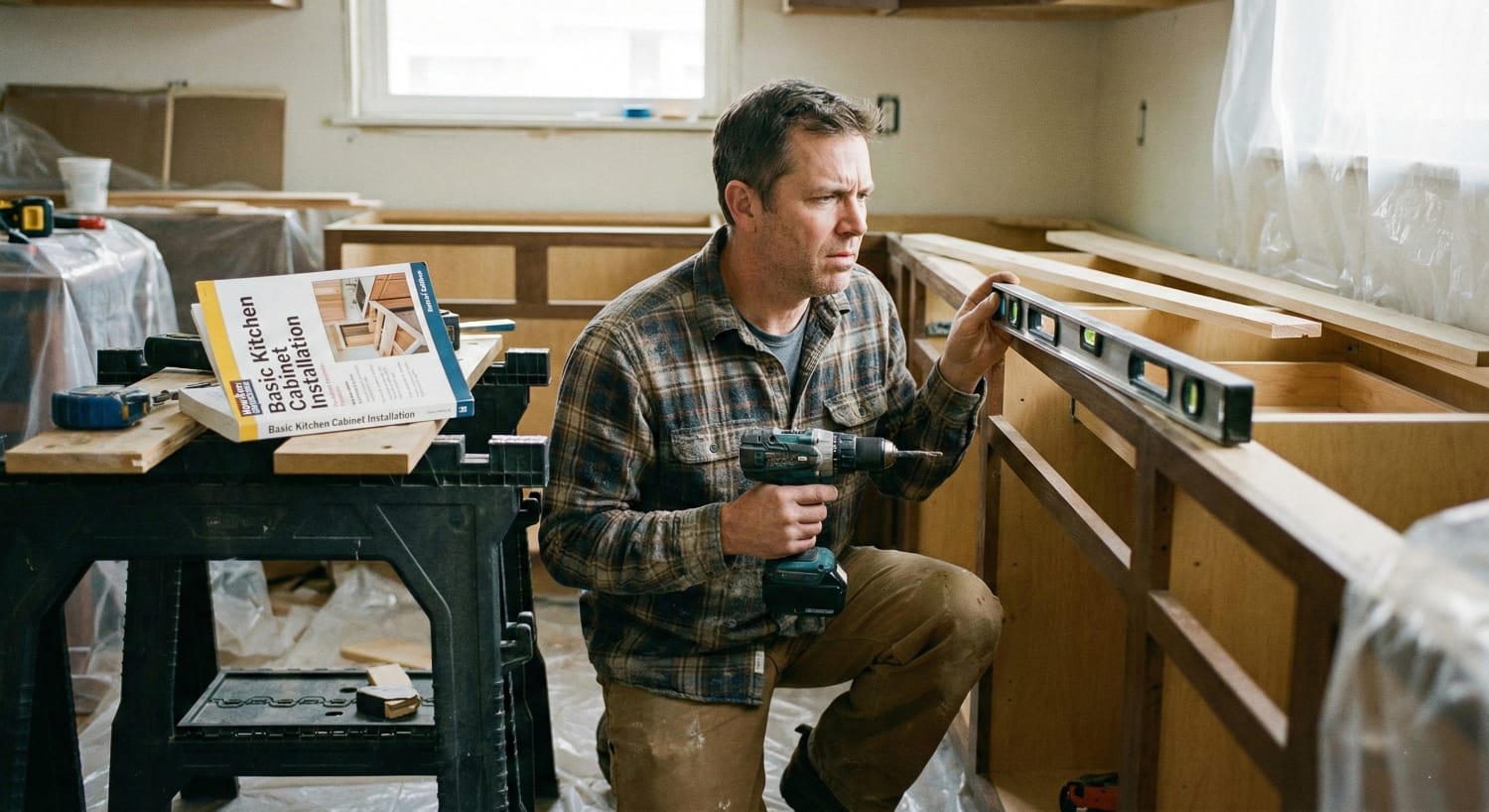
You know the one. They say, “I’m kind of a weekend warrior,” and you can practically hear the collective groan from every contractor within a 10-mile radius. Somebody in your crew mutters, “Oh boy… here we go,” like you just announced you’re going to spend your Saturday at IKEA.
But here’s the twist:
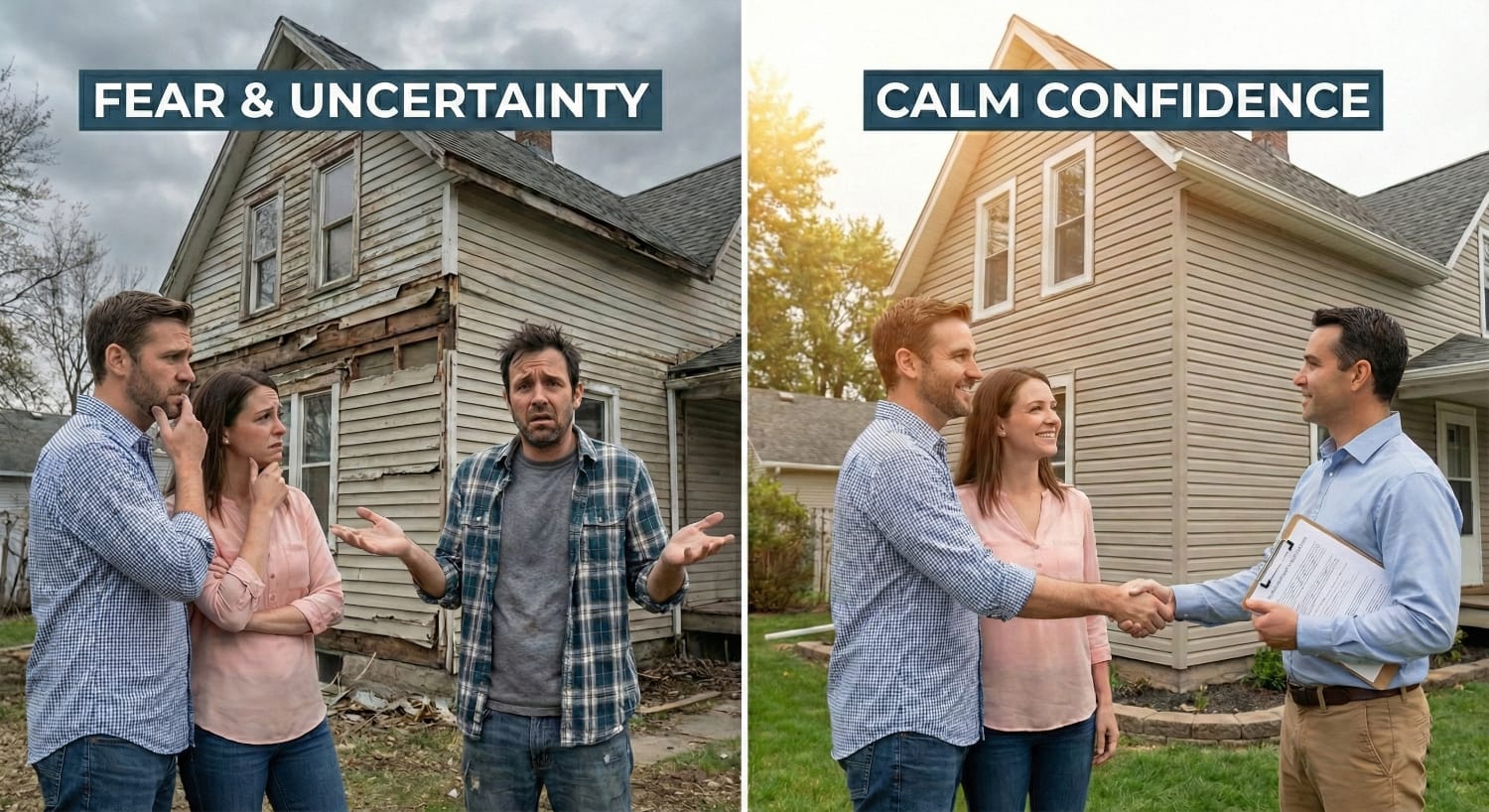
DIY clients can be some of your best customers — if you don’t blow it by acting like a smug trade-school philosopher.
Because the minute you smirk at their project, you don’t just lose the job…
You create a new enemy: spite-powered DIY.
And spite is incredibly motivating. Spite has bought more tile saws than Home Depot’s entire marketing department.
So if you’re a remodeler, tile setter, or general contractor and you want to win more work (and more referrals), here’s the playbook for dealing with DIY homeowners like a pro who also happens to be… you know… a decent human.
First, Understand What’s Actually Happening
DIY homeowners don’t call you because they love spending money.
They call you because:
- they hit the “I might flood my house” stage of the project,
- they’re tired,
- their spouse is asking for timelines,
- or they’ve discovered water will find any weak spot like it’s a heat-seeking missile.
They’re not trying to “play contractor.”
They’re trying to finish a bathroom remodel without creating an indoor swimming pool.
So if you show up and treat their work like a comedy routine?
Congrats — you’ve just volunteered them into the “I’ll do it myself” club.
1) Lose the Smirk. Keep the Job.
Here’s a crazy sales technique that works shockingly well:
Respect.
When they say, “Yeah, I did most of this myself,” you say:
- “Nice. That’s a big project.”
- “What all did you do?”
- “What’s the one thing that’s driving you nuts?”
That’s it. No dramatic pause. No eyebrow raise. No “Well, I can tell.”
Because listen — they already know they’re not a pro. They didn’t call you to be roasted. They called you to fix the one thing they don’t want to screw up.
2) Talk Shop (AKA Invite Them Into the Club)
DIY folks are hobbyists. And hobbyists love two things:
- tools
- being taken seriously
So talk to them like they’re someone who cares about quality. Because they are.
Ask “shop talk” questions:
- “What waterproofing system did you use?”
- “Is that cement board or foam board?”
- “Did you use a membrane?”
- “How’d you build the shower pan slope?”
- “Where do you think the water is pooling?”
Then hit them with a little pro wisdom:
- “Waterproofing is the whole game in a shower.”
- “Slope isn’t cosmetic — it prevents standing water.”
- “Most failures happen at corners, transitions, and penetrations.”
Here’s what happens when you do this:
They stop seeing you as “a contractor trying to upsell me” and start seeing you as “a pro who knows his stuff.”
That’s the moment you win.
3) Don’t Shame Mistakes — Explain Cause and Effect
Yes, DIY work is often imperfect. Shocking, I know.
But your job isn’t to announce, “This is wrong.”
Your job is to say:
- “Here’s what’s happening…”
- “Here’s why it’s happening…”
- “Here’s the fix that makes it reliable…”
Try this language:
- “This part is close — it just needs ___ to hold up long-term.”
- “The issue isn’t the tile. It’s what’s happening underneath.”
- “Water always wins if we don’t handle ___.”
Keep it calm. Keep it factual. No dunking.
Because the moment they feel embarrassed, they get defensive.
And defensive homeowners don’t hire you. They go watch more YouTube.
4) Use the “Good / Better / Best” Menu (Because DIY People Love Menus)
DIY clients often think in options:
- “Could I patch this?”
- “Do I need to redo it?”
- “Is there a middle ground?”
Give them structure. It lowers stress and makes you look organized.
Good
Fix the problem so it works and drains properly.
Better
Fix it and reinforce the weak points so it lasts.
Best
Rebuild it using a pro system you’d put in your own house.
DIY clients love this because it feels honest.
And it prevents the classic suspicion: “Are you telling me I need everything because you want more money?”
Nope. You’re giving them choices.
5) Explain the “Why” (Without Writing a Novel)
Some contractors hate questions. But DIY homeowners ask questions because they care.
If you explain the why, you build trust fast.
Examples that land:
- “This is the failure point because water sits here.”
- “This corner detail matters because it’s where movement happens.”
- “If the slope is off, water pools, and pooling turns into mildew and seepage.”
You’re not “giving away the trade.”
You’re proving you actually know what you’re doing — which is, strangely, helpful when trying to get hired.
6) Set Boundaries Like a Pro (Not Like a Control Freak)
Sometimes DIY clients want to “help.” Cool. But you still need control of what you’re responsible for.
Say it like this:
- “If I’m responsible for the final result, I need to own the waterproofing steps.”
- “You can handle demo and haul-off — I’ll take it from there.”
- “You can do paint and trim after I’m done.”
This keeps the project clean and protects your reputation.
Because nothing is worse than a homeowner doing half a step and later saying, “Yeah, the contractor did it,” while you’re standing there knowing you didn’t.
7) The Payoff: DIY Clients Become Referral Machines
Here’s what contractors miss:
A respected DIY homeowner becomes your biggest marketer.
They will:
- tell neighbors,
- post your name in local Facebook groups,
- defend your price,
- and leave a detailed Google review that reads like a case study.
Why?
Because you didn’t make them feel stupid.
You treated them like a partner in getting the job done right.
And that kind of trust doesn’t just win the job…
It wins the next five.
Bottom Line
If you want to lose business, keep treating DIY homeowners like a joke.
If you want to win more bathroom remodel and tile work, do this instead:
- respect their effort,
- talk shop,
- explain cause and effect,
- offer Good/Better/Best options,
- and set clear boundaries.
Bring them into the club.
Because the second you act superior, you’re not selling remodeling services anymore…
You’re selling them on the idea that they can do it without you.
And with enough spite?
They will.

Steve Rhom has spent 20+ years in advertising, marketing leadership, and web development, helping businesses improve visibility, credibility, and conversion rates online. He specializes in WordPress builds and SEO foundations that support real growth—not vanity metrics. His recommendations are grounded in proven best practices and firsthand implementation.