A few years ago, my wife and I decided it was time to replace the vinyl siding on our house.
The home was built in 1973, and we’ve lived here since 2015. We don’t know exactly when the siding was installed, but we do know this:
It looked old. It looked tired. And it made the whole house feel dated.
So we did what most homeowners do when the project feels too big to DIY — we started looking for a pro.
And in the process, we learned something that every contractor should tattoo on their brain:
When you bid a job, you’re not just selling labor. You’re selling certainty.
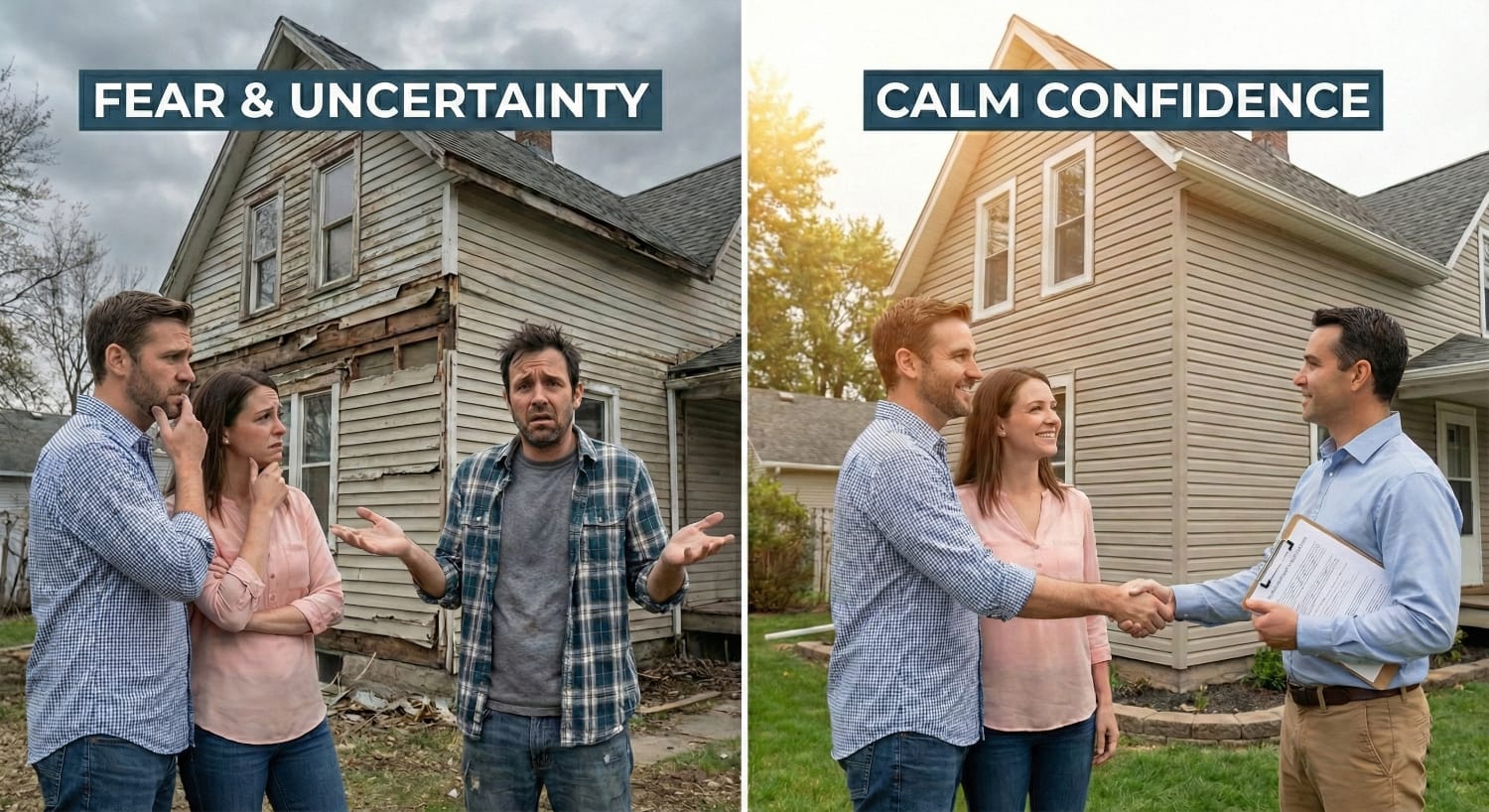
The first quote: uncertainty, fear, and a bad feeling in our stomachs
We had a friend in residential renovation who said he could connect us with someone solid. Great — we set the appointment.
The contractor who showed up was a younger guy, probably in his 30s. He stood out front and stared at our house like it was one windstorm away from collapsing.
He kept saying things like:
- “I don’t know… hmmm.”
- “Who knows what condition the wall underneath is?”
- “This could be… a lot.”
Now listen — every older home has unknowns. We expected that. But the way he communicated it didn’t feel like expertise.
It felt like fear.
Then he gave us a ballpark number that was already high — and added the big caveat:
The price could go up depending on what he finds under the siding.
If there were rotted boards, he’d replace them “as he went” and add it on. No real clarity, no confidence, no explanation of how he handles surprises on jobs like this.
When he left, we didn’t just feel like we had a big repair bill coming…
We felt like we lived in a shack.
And worse: we didn’t feel like we could trust the process.
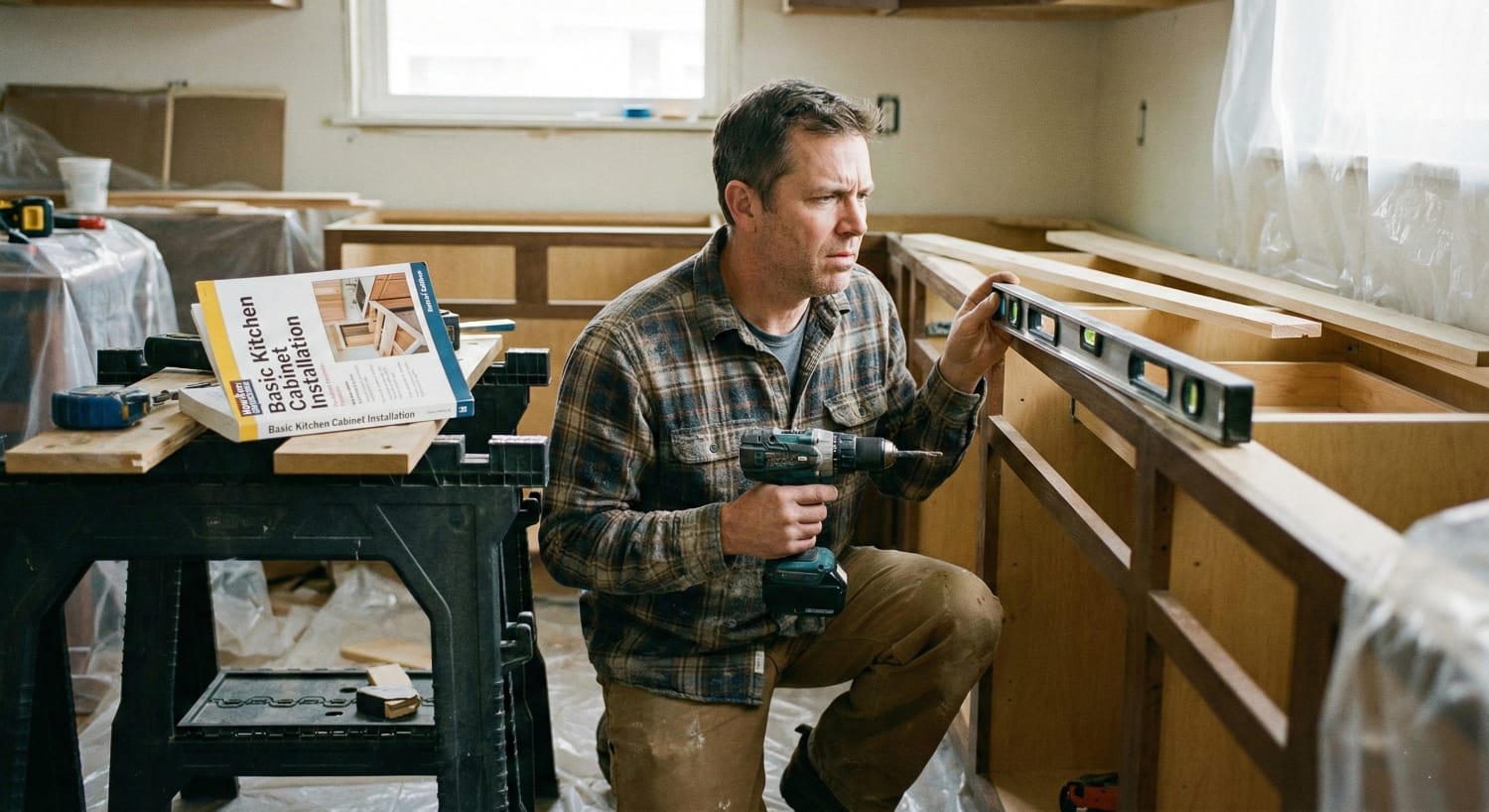
We honestly started thinking, “Do we need to do this ourselves?”
That’s the moment contractors don’t always realize they create:
When you add uncertainty, you don’t just lose the job — you push people toward DIY or “let’s just wait another year.”
The second quote: calm confidence and a plan
We called another service in town: Tulsa Renew, run by Steve Jones.
By the time Steve arrived, we were already braced for more bad news. We even started apologizing for our house immediately — telling him everything the first guy told us.
Steve just looked at us like we were nuts (in a nice way) and started calming us down.
His tone was basically:
“Guys… this is no big deal. I see this all the time.”
Night and day difference.
We asked about wood rot under the siding, because that’s what the first guy obsessed over.
Steve’s response was simple:
“Well, if I find some, I’ll fix it.”
We asked if that would be an extra charge.
He said no — it’s part of replacing old siding. You sometimes find a few areas to address. It’s normal. It’s expected.
And again, the main message:
“It’s no big deal.”
His estimate came in lower than the first guy’s. But the money wasn’t the biggest difference.
The biggest difference was that we felt safe.
We felt like we had someone who’d been there before — someone who’d guide us through it without drama.
He even offered to replace our front door for free (I’m sure that was a built-in promo cost, but still — it was a nice gesture, and it reinforced the idea that he had a real system).
We hired Tulsa Renew. They did a great job. And I left Steve an enthusiastic Google review.
The lesson for contractors: you’re bidding trust, not siding
Here’s the point of the story:
Homeowners don’t know what’s normal.
They don’t know what you’re supposed to find under siding on a 1970s house. They don’t know what “wood rot” really means. They don’t know whether they’re about to open a can of worms that ruins their budget.
So during the estimate, they’re asking a question that’s bigger than the job itself:
“Can I trust you to guide me through this?”
The first guy didn’t have the experience — or at least didn’t communicate it — and he multiplied uncertainty.
Steve did the opposite.
He calmed the fear. He normalized the situation. He made it clear he had a process and could handle surprises.
That’s what pros do.
If you’re a contractor, here’s what to steal from Steve’s approach:
- Act like you’ve been there before (because if you haven’t, you shouldn’t be pricing the job like you have).
- Normalize the unknowns: “This is common. We see it all the time.”
- Explain how you handle surprises (and whether they’re included or not).
- Be a guide and a counselor — calm the fears while setting expectations.
- Lead with clarity: confident doesn’t mean reckless, it means prepared.
Because whether you realize it or not, the homeowner is comparing two feelings:
- “This might get scary.”
- “This will be handled.”
And the contractor who creates calm confidence will win that job more often than not.

Steve Rhom has spent 20+ years in advertising, marketing leadership, and web development, helping businesses improve visibility, credibility, and conversion rates online. He specializes in WordPress builds and SEO foundations that support real growth—not vanity metrics. His recommendations are grounded in proven best practices and firsthand implementation.